
What if capitalism could work for everyone?
The collective ownership model isn't a utopian dream. It's a proven economic structure that's been outperforming traditional firms for 180 years — and it's about to become the dominant model of the AI era.
Not an entrepreneur. Not employed. Something better.
For most of history, the only options were go it alone or work for someone else. A collective gives you a third path — one that was actually the default before the industrial era changed everything.
- Full autonomy over your work
- Set your own hours and rates
- No safety net or backup
- Earnings capped by your hours
- No stake in anything bigger
- Isolated from collective intelligence
- Autonomy within shared structure
- Shared risk — no one fails alone
- Ownership stake in what you build
- Surplus flows to the members
- Collective intelligence compounds
- Democratic voice in decisions
- Predictable salary and benefits
- Shared resources and support
- Limited autonomy over direction
- No ownership in the outcome
- Surplus flows to shareholders
- Replaceability baked in by design
The old model is breaking.
A better one is ready.
AI is compressing the value of hourly labor. Ownership gaps are widening. The firms that thrive will be the ones where everyone has a stake in the outcome.
AI is commoditizing services
Hourly rates are collapsing as production time shrinks dramatically. The value of your time is no longer the right unit of measure.
Ownership gaps are widening
CEO pay is up 1,000% since 1978. Worker wages up 18%. The productivity surplus isn't flowing to the people actually creating it.
Collectives own what they build
When members own the work, the tools, and the surplus — everyone's incentives align, performance follows, and no one gets left behind.
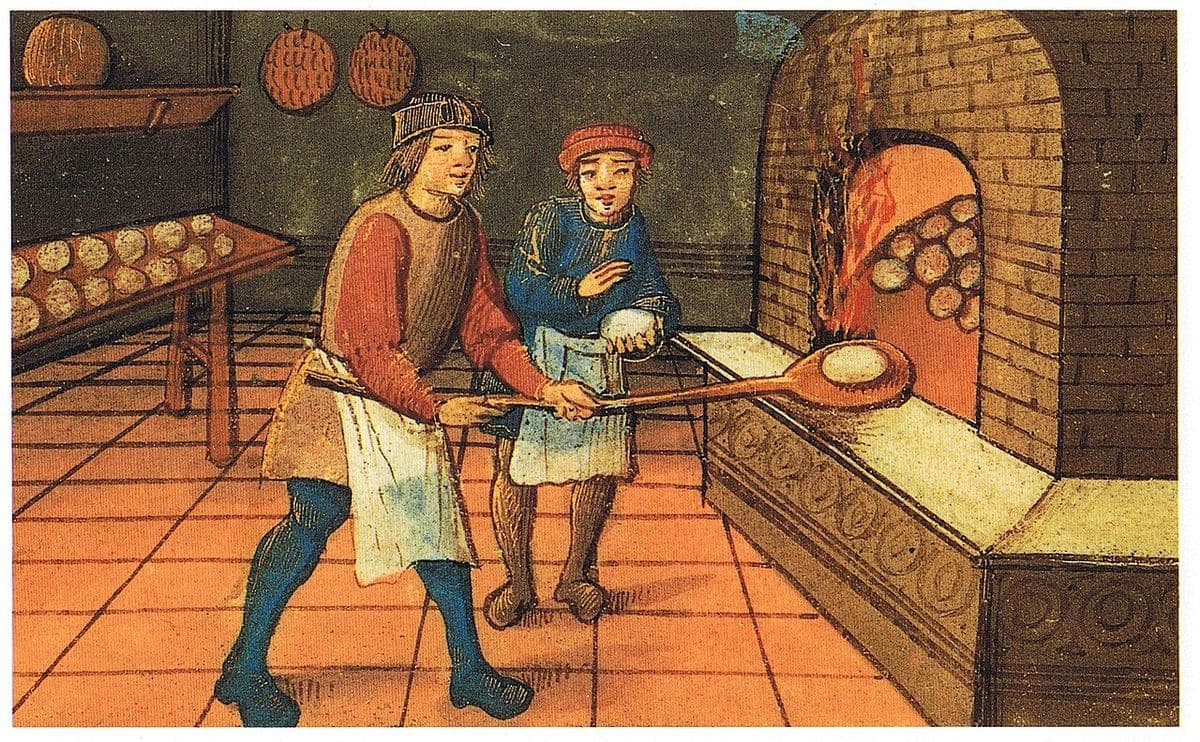
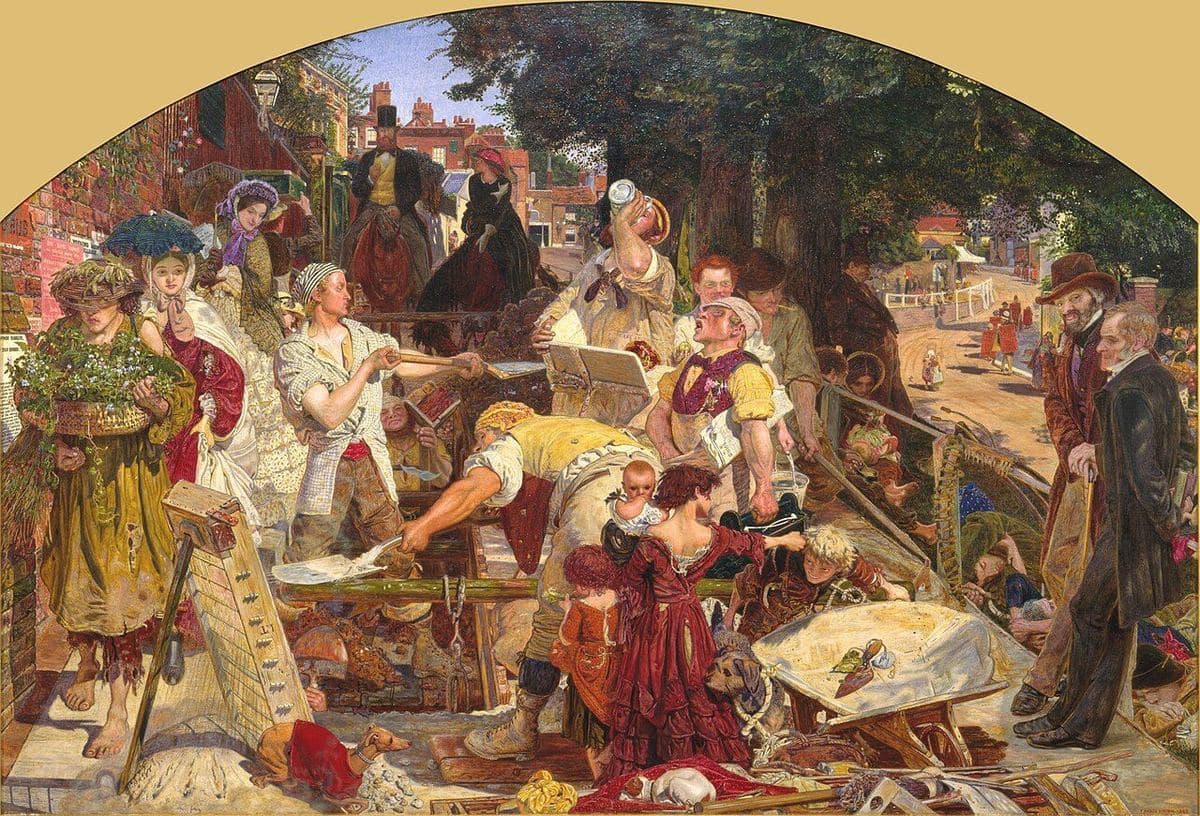
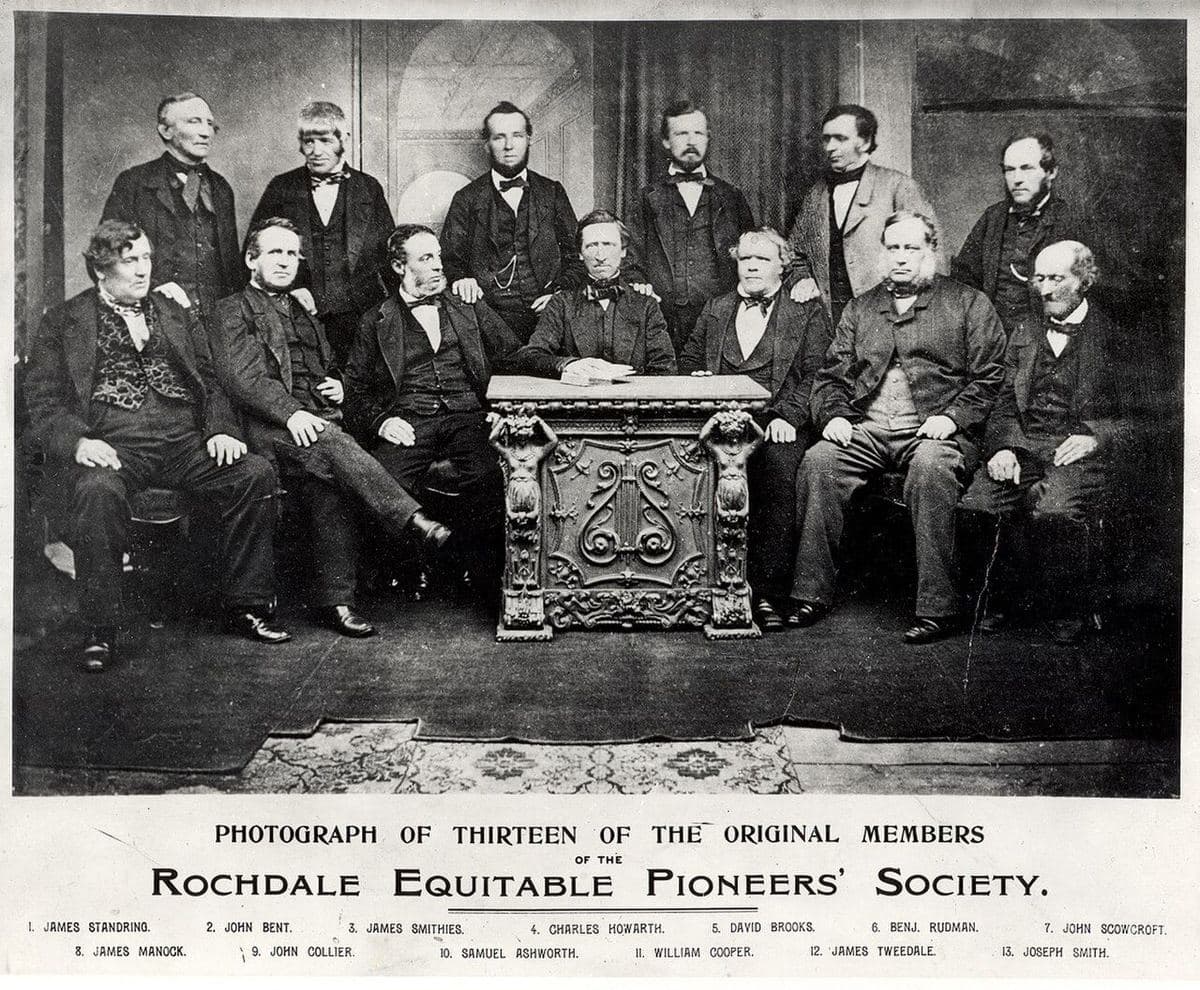
This is how we always worked.
Until 200 years ago.
The corporate employment model isn't the natural order — it's a 200-year-old experiment born from industrial necessity. Collectives are the older, deeper default. And the conditions that made us abandon them are now dissolving.


Three principles that make collectives work
Every functioning collective is built on the same core framework. These aren't rules — they're the cultural operating system.
Shared values and mutual accountability aren't soft assets — they're the operating system. Without culture, governance fails regardless of how well it's designed.
CultureRadical transparency removes the information asymmetry that lets hierarchy form. When everyone sees everything, trust compounds — and with it, performance.
TrustSurplus, knowledge, and ownership shared among members creates the compounding returns that no individual firm can match over time.
SharingEverything you need
to build a collective
From first principles to governance templates to open source tools. We built what the book only pointed toward.
Governance Templates
Handshake agreements, slide deck charters, and full legal frameworks. Pick the level that fits where you are right now — upgrade as you grow.
Research Library
Deep dives on the history, the data, and the psychology behind collective ownership. The irrefutable case, backed by 180 years of evidence.
Open Source Tools
Free, self-hostable software for running your collective — governance workflows, contribution tracking, financial transparency, and collective AI memory.
Community
Connect with hundreds of others building collectives. Share what's working, get help with what isn't, and find collaborators who believe what you believe.
Collectives that prove the model
These aren't experiments. They're living proof that shared ownership outperforms concentrated control — at every scale, in every sector.
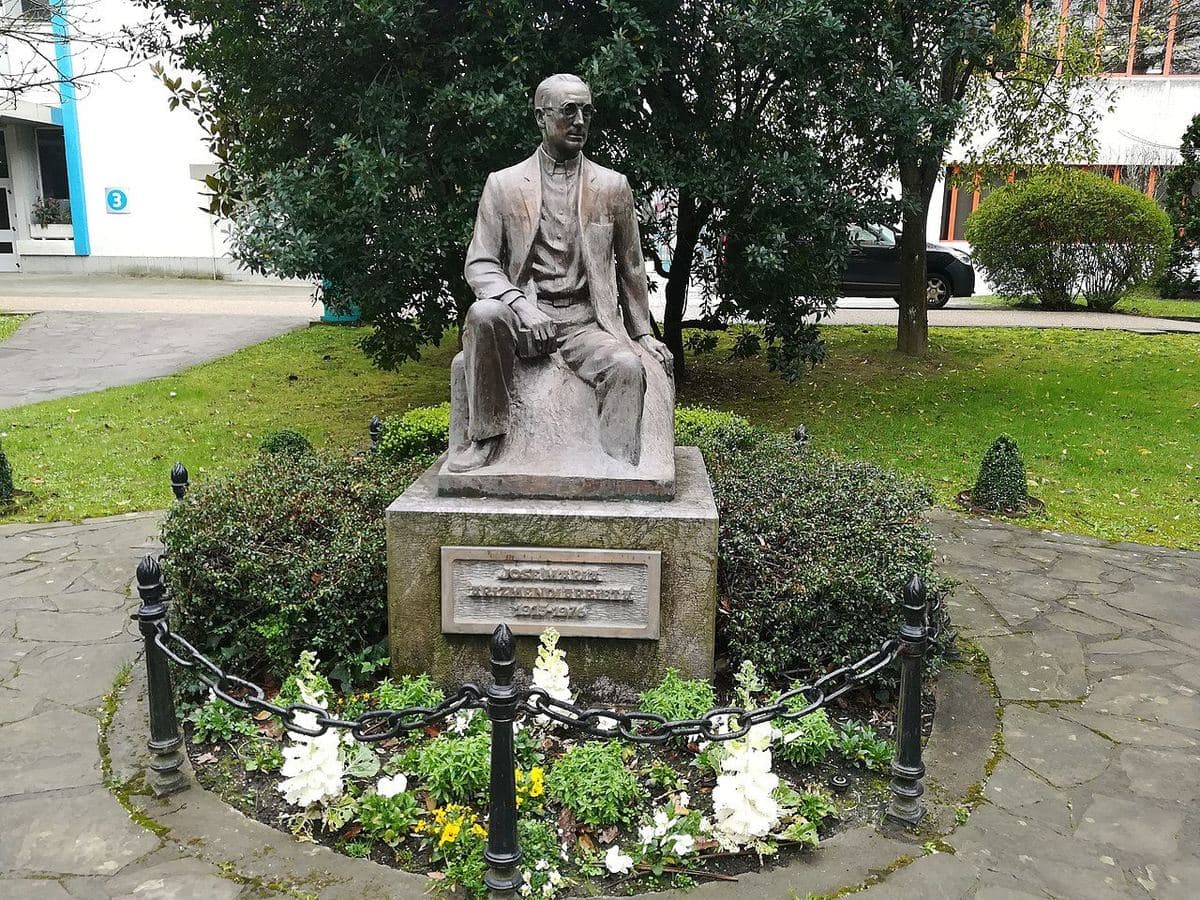
Started as a single vocational school. Now a network of 96 cooperatives spanning manufacturing, finance, and retail. Survived the 2008 financial crisis with zero layoffs — redistributing members across the network instead of cutting them.
Sources: Mondragon Corporation Annual Report 2022; Wikipedia — Mondragón Corporation; Whyte & Whyte, Making Mondragón (ILR Press, 1991)
Economic infrastructure for 100,000 independent creative workers across Europe. Handles contracts, invoicing, and social protections. Members keep their freedom; the collective provides the institutional weight they could never afford alone.
Sources: SMart Official Website — About; Wikipedia — SMart cooperative; European Commission report on atypical work, 2019
A modern professional services collective built on the three tenets. From $1.75M in year one to $32M projected by year seven — proving the model works in knowledge work, not just manufacturing. Built by the authors of this book.
Sources: Chameleon Collective — chameleon.co; Internal company financial data as reported by founders; Collective Capitalism, Laker, Morales & Lewis (2024)
Platform Launch
The platform is coming
We're building the tools, community, and resources to support every collective. Be the first to know when we launch.
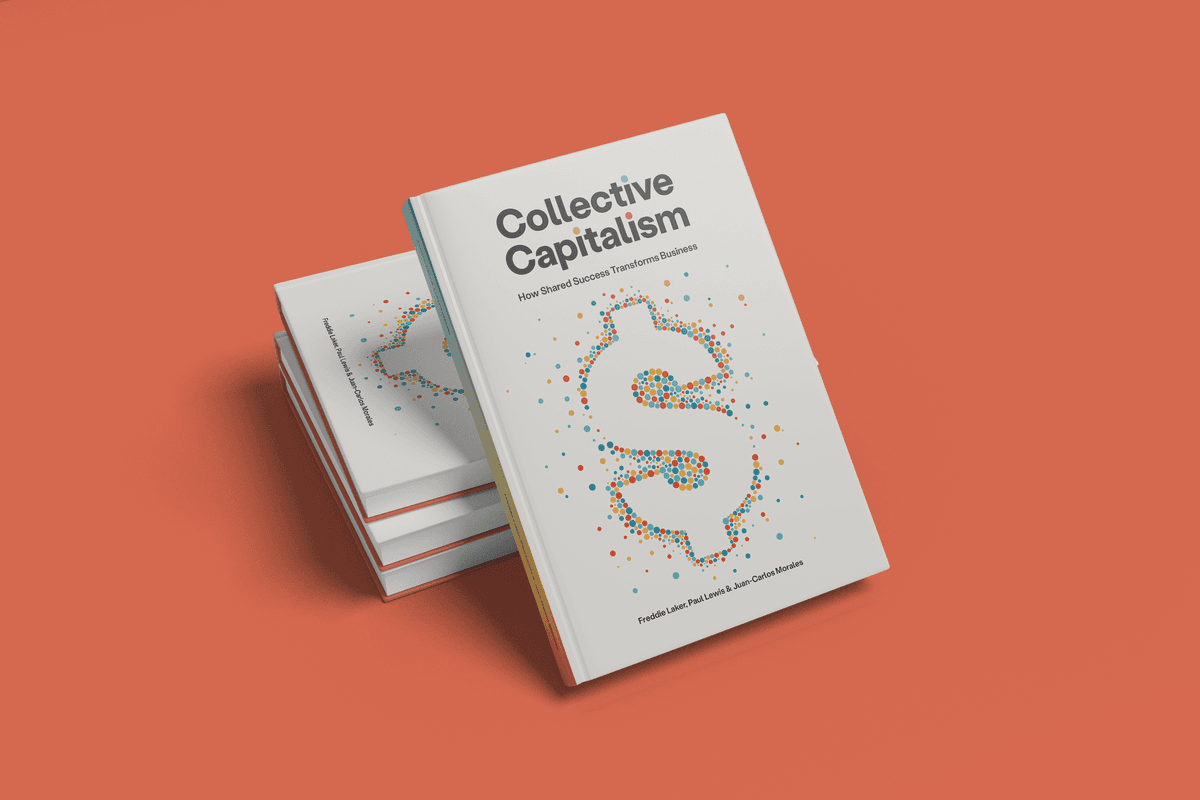
The manual for businesses where everyone wins.
Written by three practitioners who built a collective from scratch, Collective Capitalism makes the philosophical and practical case for shared ownership. The book inspires the idea — this website shows you how to do it.


